The African Diaspora Is Coming Home — But What Does “Home” Really Mean?
- Aug 9
- 3 min read
Across the African diaspora, the idea of “going home” carries enormous emotional weight.
For descendants of people displaced through slavery, colonialism or later migration, Africa can represent ancestry, identity and a connection interrupted across generations. In recent years, improved travel links, social media and deliberate outreach from African countries have made that connection increasingly tangible.
Ghana's Year of Return brought global attention to the idea in 2019, inviting members of the African diaspora to reconnect with the continent. But the movement is larger than one campaign or one country.
People are travelling, relocating, investing, researching family histories and building relationships across Ghana, Senegal, Sierra Leone, Nigeria and other parts of the continent.
Yet returning raises a more complicated question: what exactly does it mean to come home to somewhere you may never have lived?
Searching for Something History Interrupted
For many diaspora visitors, travelling to Africa is different from taking an ordinary holiday.
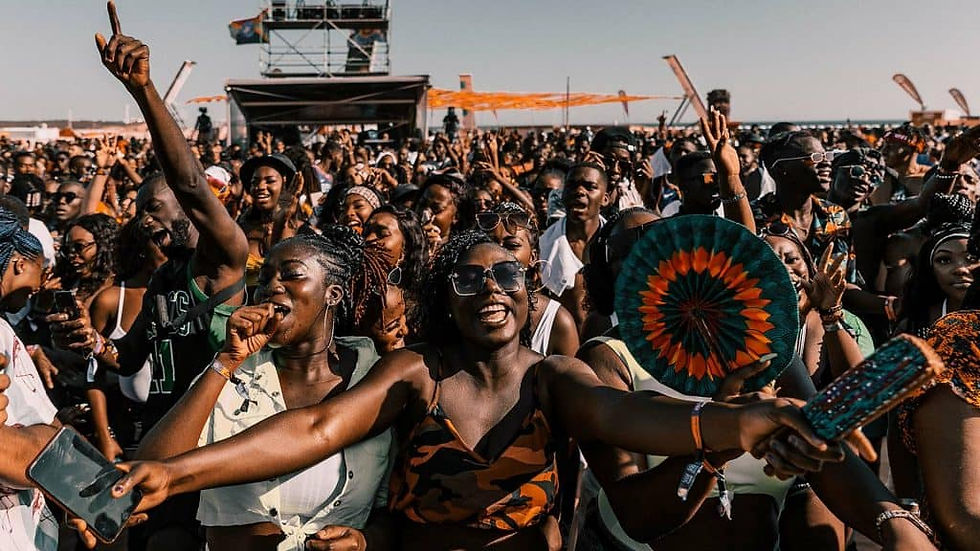
Standing at a historical site, hearing familiar rhythms, encountering cultural practices or simply moving through a society where Blackness is the majority experience can create a powerful sense of recognition.
For descendants of the transatlantic slave trade, however, identifying a precise ancestral community can be difficult. Records were destroyed, names changed and family connections deliberately severed.
Modern DNA testing has offered some people additional clues, although ancestry rarely fits neatly within today's national borders.
“Home” can therefore be emotional and symbolic even when the exact geographical connection remains uncertain.
But reconnection is not always uncomplicated.
Someone arriving from London, Paris, New York, Toronto or the Caribbean may feel deeply connected to Africa while simultaneously being perceived locally as British, French, American or Caribbean.
Accent, nationality, class, language and cultural expectations can quickly reveal differences.
That experience does not necessarily make the connection less meaningful. It can instead challenge the idea that African identity is one single experience shared identically across the continent and its diaspora.
From Visiting to Building Relationships
The conversation is also moving beyond tourism.
Some members of the diaspora are purchasing property, establishing businesses, relocating after retirement or spending part of each year on the continent. Others are collaborating with African creatives and entrepreneurs or bringing professional experience into new ventures.
Countries themselves increasingly recognise the potential of these relationships. Diaspora communities can contribute tourism revenue, investment, professional networks and international visibility.
But meaningful engagement cannot simply be about what the diaspora can take from Africa — whether property, identity or opportunity. It also requires understanding the communities already there and avoiding the assumption that ancestral connection automatically provides knowledge of contemporary African life.

Home Can Have More Than One Meaning
Perhaps the most interesting part of the homecoming movement is that it is changing the meaning of belonging itself.
A person can be Ghanaian and British, Senegalese and French, Nigerian and American, Congolese and Belgian — or descended from Africans whose specific origins were lost generations ago — without those identities necessarily cancelling one another out.
Africa's relationship with its diaspora is therefore not simply about reversing migration or reconstructing a past that cannot be perfectly recovered.
It is about creating new relationships from a shared history.
The diaspora may arrive looking for a place it can call home. Africa, meanwhile, is not frozen in the past waiting to receive it. It is a continent of more than a billion people whose societies continue to change on their own terms.
Perhaps genuine reconnection begins when both realities are allowed to exist together.
Coming home does not always mean returning to somewhere you remember. Sometimes it means building a relationship with somewhere history taught you to remember differently.


Comments